
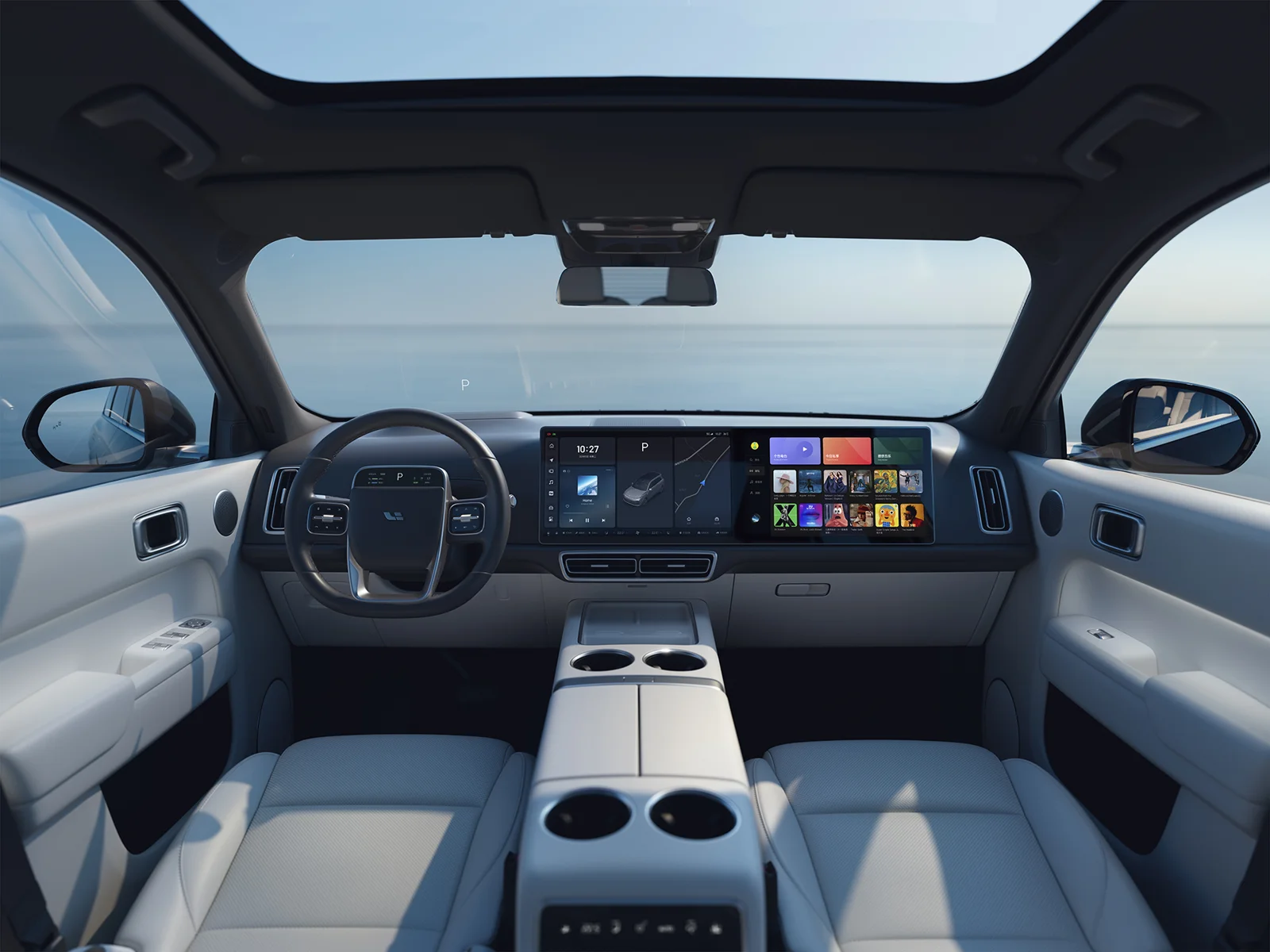
List the customer’s digital requirements
Record required display language, phone connectivity and essential cabin controls. Separate offline functions from services needing an account, subscription or network. A clear list is easier to assess than a general promise that all functions will work.
Request demonstrations on the actual offered vehicle and retain its reference with the result. Another owner’s recording may concern a different configuration or software state. The year guide helps keep the evidence within the correct model context.
The M9 configuration-led comparison keeps each candidate’s receiving-user requirements separate rather than assuming similar interfaces establish equivalent services.
The rear-screen value decision keeps demonstrated seller access distinct from continuing use after transfer.
Treat driving assistance separately
Confirm fitted hardware through relevant records rather than a trim assumption. Then identify the functions, conditions and dependencies supported by the evidence. The configuration comparison keeps historical and new-model descriptions separate.
Do not advertise driver assistance as unconditional autonomous driving. A demonstration in one market is not proof that the same service will be available in another location. Preserve limitations that could change the customer’s acceptance decision instead of describing them only after delivery.
For disclosed glass or assistance-system repairs, the L9 windscreen and ADAS evidence review checks the applicable work and completion record.
The assistance-function premium review retains software, account and ordinary observation limits before crediting continuing availability.
Plan account and access arrangements
Ask how ownership-linked services are transferred through supported processes. Do not obtain a previous owner’s password or expose personal records to make a demonstration appear complete. Keep access-transfer evidence separate from general marketing photographs.
Count physical keys and agreed devices, and identify who handles software or account questions after handover. A seller’s present access does not establish a continuing support commitment. Ask for applicable terms if future services are included in the commercial offer.
The shared-driver position review distinguishes recall observed in one setup from the receiving users’ supported changeover arrangement.
Write a function-level acceptance record
Mark each essential item as demonstrated, supported by applicable documentation or unverified. Identify regional dependencies and any separate support arrangement. If the candidate or its software changes, consider whether earlier evidence still applies.
Store the agreed key and access details in the handover file. This lets the receiving dealer explain the supplied experience accurately without promising permanent connectivity, future updates or every manufacturer benefit across markets.
A practical demonstration
A seller shows an online cabin feature working with a source-market account. Record the function, vehicle and circumstances, then establish whether a supported route exists for the intended customer. Until confirmed, leave overseas operation open. Offline controls that were independently demonstrated can still be described separately. This avoids treating one successful online session as proof of every account, network and support dependency involved in the customer’s eventual use.
Manufacturer context: 2022 L9 introduction, 2024 L-series update, and May 2026 L9 announcement (PDF). The actual offer requires its own specification and condition evidence.