
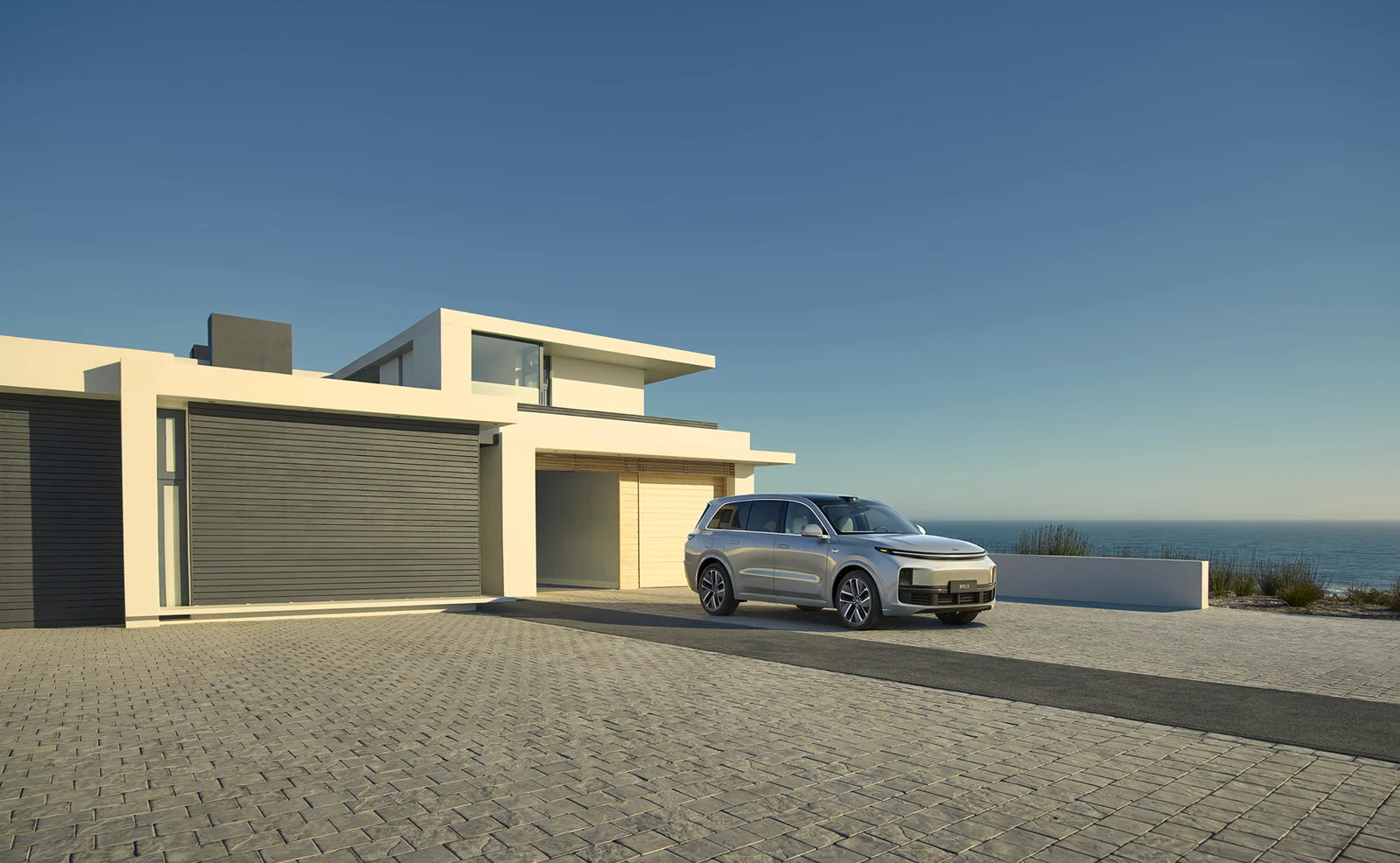
Resolve the actual M9 application
Keep the M9's original designation, production context, installed powertrain and seating configuration beside its quotation. A model-family page can illustrate a range without describing every candidate. The L9 identity review serves the L9 proposal separately; neither a similar exterior nor an appealing translated name establishes equivalence.
Connect media and assessment records to each individual offer. A quotation for one application should not borrow the appearance or specification of another. Ask for missing identity evidence before discussing a final preference, because operating arrangements and passenger places cannot be assessed meaningfully while the actual proposed systems and layout remain uncertain.
Apply one passenger and loading brief
Record the regular occupants, their seating priorities and the normal baggage set. The L9 passenger framework supports the comparison, but the M9 needs its own occupied arrangement. Do not assume that a premium model name establishes the places required by the customer's actual journey or the access that particular passengers need.
Use consistent front settings and retain which places remain occupied during loading. Pictures of an empty luxury cabin do not answer the combined task. If the intended occupants are absent, say what the substitute observation can establish and what still requires personal assessment. A remotely promising cabin should remain a candidate rather than a universal comfort conclusion.
Compare supported operating routines
Describe usual parking, charging opportunities and longer trips before evaluating reference distances. The L9 operating plan retains charging and relevant additional-system support. Apply the corresponding requirements to the identified M9 powertrain rather than treating every electrified SUV as the same operating or maintenance proposition.
Separate test-cycle references, battery-only descriptions and observations of the actual car. An attractive display estimate cannot establish health or guarantee the customer's journey. Keep provider-confirmed compatibility and access alongside the route plan. A favourable energy figure is not a substitute for practical replenishment windows, relevant condition findings or a supported remedy for a reported system concern.
Value digital equipment by the receiving user's task
List the language, phone, rear entertainment and assistance functions that matter. The L9 digital-function review distinguishes a fitted system from continuing buyer access. Obtain corresponding M9 evidence, retaining the actual account and setup used rather than allowing one seller demonstration to establish every advertised feature.
Ask the receiving provider about the functions and remedies relevant to the selected candidate. More impressive media or a familiar screen brand does not establish universal service access, transfer eligibility or support. The assistance premium decision keeps hardware appeal separate from useful supported operation, without asking for hazardous demonstrations or promising that assistance removes driver responsibilities.
Compare current condition and commercial scope
Retain candidate-specific histories and suitable current findings for used proposals; define actual status and delivery work for new cars. Do not use a feature demonstration as a comprehensive vehicle assessment. Where one offer includes completed preparation and another only a promise, keep that difference visible rather than approving both as equally ready.
Use the quotation framework for currency, inclusions and handover stage. Keep uncertain work outside confirmed scope until the responsible party defines it. The useful comparison is what the customer receives and can support, not a prediction about future resale or an unqualified claim that one luxury brand guarantees lower repair costs.
A screen-led preference with a passenger constraint
Suppose a buyer is attracted by the M9's advertised technology but needs a particular occupied seating arrangement. Resolve the actual M9 layout and assess that arrangement before valuing its screen package. If the wanted passenger task is not met, an unrelated digital benefit cannot automatically compensate for the essential limitation.
If both cars meet the brief, record which supported feature justifies the premium and which uncertainties remain. A substituted unit may change layout, powertrain or service access even when its badge matches. Preserve the chosen individual proposition rather than treating willingness to consider M9 as permission to accept any application within the model family.
Choose the next action
| Finding or requirement | Purchase response |
|---|---|
| M9 layout or powertrain is unresolved | Identify the offered application before comparing use or equipment. |
| Technology drives the preference | Verify the needed function and receiving-user availability alongside passenger essentials. |
| Quoted scope differs | Align condition, completed preparation and handover stage. |
Questions buyers ask
Can the M9 name establish its seating and powertrain?
No. Verify the actual offered configuration and original records.
Does a working seller demonstration prove buyer access?
No. Retain the setup and obtain the relevant transfer and support answers.
Relevant references: AITO: M9 China model-family context; verify the actual offered layout and powertrain. Keep these within their stated market and date; verify the selected vehicle separately.