
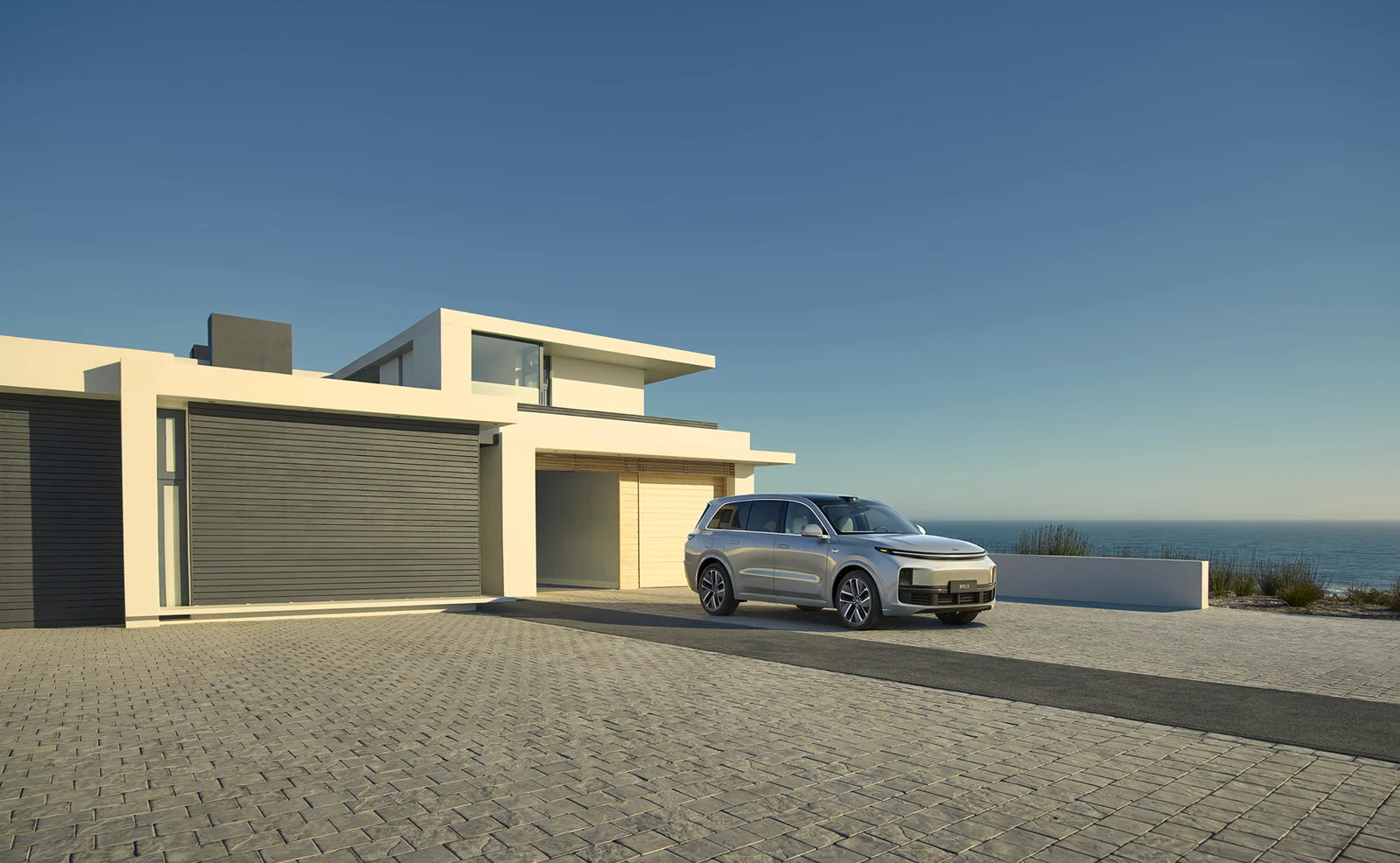
Identify the two offered cars
Retain each candidate's original-market designation, configuration and production context. The L9 version guide establishes this proposal; the ROX unit requires its own supporting records. Do not assemble an offer from several regional presentations or transfer an advertised accessory set to a car whose supplied items have not been confirmed.
Tie the media, amount and relevant assessment to the same actual reference. A familiar badge or exterior should not allow one car's favourable history to support another. Keep seating and installed systems explicit before comparing category descriptions, especially if the seller changes the version or the configuration while retaining an appealing headline amount.
Prioritise the ordinary family journey
List the actual people, seating needs and luggage that regularly travel together. The L9 cabin assessment provides the common task; perform the corresponding review on the ROX candidate. An occasional outdoor trip should not quietly override a regular passenger's access or position requirement without the customer's accepted compromise.
Maintain consistent front positions and occupied places during the luggage exercise. A large folded space does not answer a journey that needs those seats. The occupied-seat loading review helps keep that distinction visible, and any unrepresented load or personal-fit question should remain pending rather than becoming a confident family-use recommendation from appearance alone.
Define outdoor requirements precisely
Ask what the customer actually does: carrying particular equipment, reaching a known location or loading at an unfamiliar stop are different tasks. Do not convert outdoor styling into a universal off-road capability claim. Relevant limits and manufacturer instructions belong with the identified version and intended equipment, with suitable provider advice where the task needs it.
If an accessory is important, identify its compatibility, supplied status and supported use separately. The equipment-addition review explains why an appealing accessory photograph cannot prove the completed arrangement. Avoid recommending unsafe demonstrations or improvisations; a buyer can value an outdoor benefit only after its actual scope and limitations are understood.
Retain everyday parking and replenishment
The parking-location guide keeps access, door opening and loading movement beside the proposed vehicle. A preferred adventure presentation can coexist with an inconvenient ordinary garage. Test the daily arrangement independently rather than assuming that parking aids or another model category create missing physical clearance.
Describe usable replenishment and relevant service support for both identified systems. Do not credit a long reference distance with resolving all access or maintenance questions. The L9 operating framework remains specific to its candidate; ROX needs appropriate compatible-equipment and provider answers of its own before the customer accepts a different operating proposition.
Align evidence and included equipment
Obtain individual histories and suitable condition findings, retaining any disclosed damage or accessory installation work. A polished outdoor setup is not a complete inspection, and a functioning cabin display does not establish the condition of every relevant system. Separate completed preparation from work still proposed or from an unspecified seller assurance.
The commercial scope review keeps currency, accessories and handover stage aligned. If one quote includes useful supported equipment while another excludes it, explain the difference rather than comparing headline amounts. Avoid universal resale, durability or repair-cost predictions derived from either car's positioning or an attractive demonstration vehicle.
A regular family trip with occasional equipment
Suppose the buyer needs the full passenger arrangement most weeks but carries bulky equipment a few times a year. Evaluate the regular seated journey first, then the actual outdoor load and its accepted alternatives. A setup that works only by folding a needed place is a different proposition from the one initially requested.
If the buyer accepts that concession for a particular trip, record it alongside the selected candidate and supplied equipment. Do not let a general interest in outdoor use become permission to change the seating or omit the original family essentials. A replacement unit needs the same task and condition review before it inherits acceptance.
Keep the occasional equipment list distinct from the everyday family load. A useful outdoor concession should identify when it applies and which normal passenger requirement remains unchanged, so the dealer can explain both routines without implying unrestricted accessory capacity.
Choose the next action
| Finding or requirement | Purchase response |
|---|---|
| Outdoor appeal dominates the shortlist | Name the real activity and verify the required arrangement. |
| Passengers and equipment compete for space | Assess them together and record any accepted concession. |
| Accessory inclusion is unclear | Confirm compatibility, supplied scope and completed installation evidence. |
Questions buyers ask
Does outdoor styling prove suitability for every route?
No. Keep actual tasks within the identified equipment's supported limits.
Should an occasional activity override regular family needs?
Only if the customer explicitly accepts the resulting concession.
Relevant references: ROX: English ROX 01 model context; verify original candidate market and supplied equipment. Keep these within their stated market and date; verify the selected vehicle separately.