
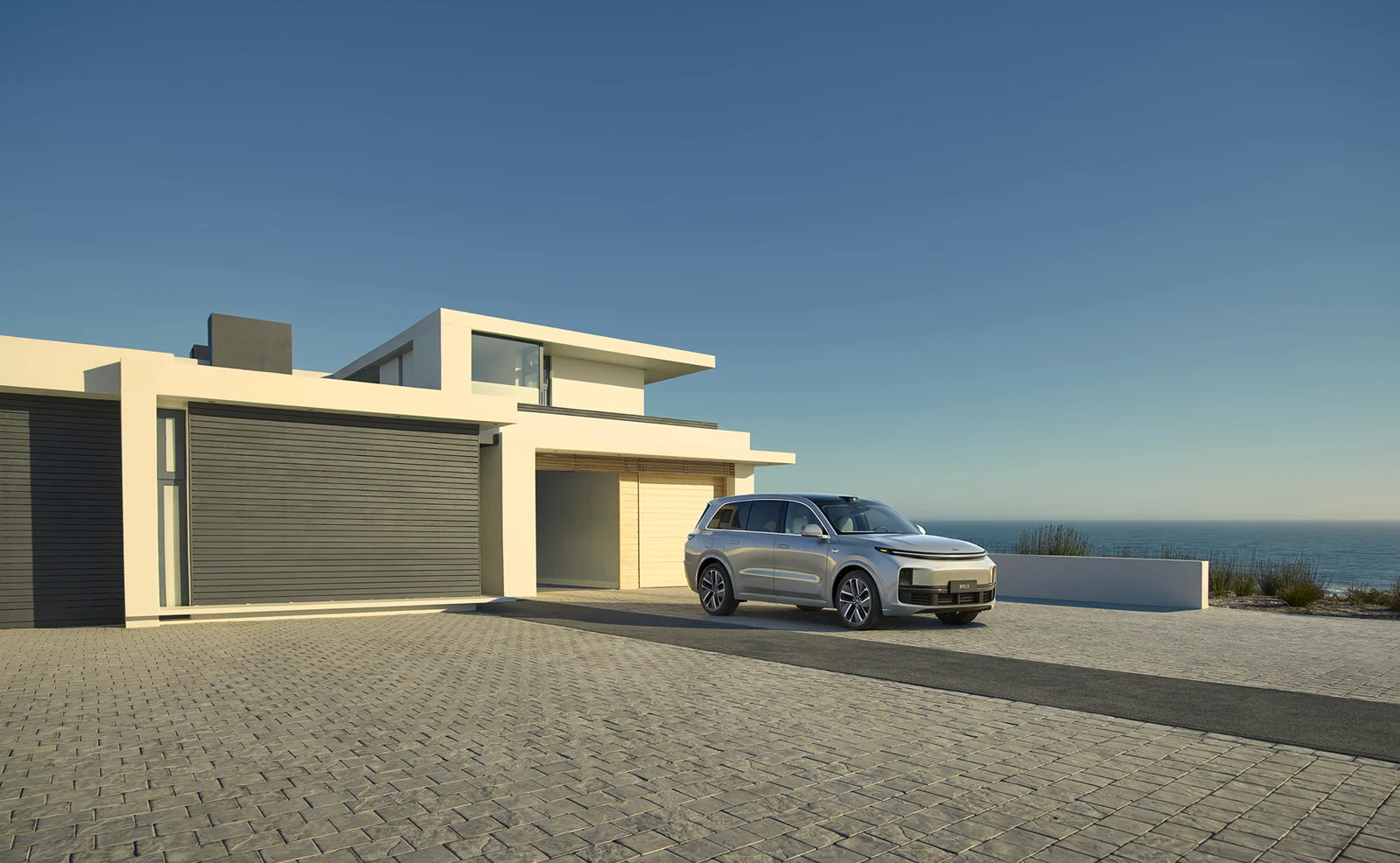
Identify the actual D9 proposal
Obtain the original designation, seating, powertrain and production records for the quoted D9. A regional manufacturer page is context rather than proof of a China candidate's equipment. The L9 identity review serves this side separately; keep both actual configurations visible instead of assuming the model badges define one comparable specification.
Attach amounts, media and histories to their own unit references. A later substitute may change installed systems or supplied equipment even if the translated version sounds similar. Resolve these changes before the buyer evaluates a final premium, rather than merging attractive photographs and descriptions from several market applications into a single imagined offer.
Assess how the actual passengers enter
List regular users and their access requirements, retaining normal parking constraints. The older-passenger access decision frames a personal task rather than promising suitability from door type. Ask what the actual people can comfortably manage, and note the limits of a demonstration made by another occupant or in an unusually open location.
An appealing door mechanism needs its own supported equipment and operation evidence, but working movement alone cannot establish universal access. Keep entry, established position and exit as distinct observations. If the customer is absent, preserve the unresolved personal assessment instead of declaring either an SUV or MPV automatically better for every older person or adult passenger.
Compare occupied seating and luggage
The L9 seating brief fixes the front positions and required rear places. Apply the same people and baggage task to the actual D9 arrangement, with needed places occupied. A generous folded-floor photograph can be persuasive while answering a different journey from the one the buyer needs.
Use the L9 load assessment to retain normal closure and retrieval, then obtain equivalent D9 observations. Describe useful differences under the stated setup rather than reducing the decision to a published capacity figure. A candidate can offer one passenger advantage while leaving a required bag, access or parking question unresolved.
Keep everyday location and operation in view
The parking-space review distinguishes a car's outline from usable door and loading room. Compare both actual vehicles at the buyer's ordinary location. A convenient door presentation does not settle every clearance, and helpful camera equipment does not provide physical room for access or rear loading where none exists.
Establish compatible replenishment and service for each identified powertrain, using appropriate provider answers. A generic new-energy description cannot establish the whole ownership arrangement. Retain installed systems, intended access and support needs independently of the passenger-category preference, without promising identical running costs or assuming a regional reference covers the offered application.
Align passenger benefits with complete scope
Review new status and delivery checks or used history and current findings for each candidate. Keep any cabin or door concern within a suitable assessment, and distinguish a completed remedy from a promise. An impressive presentation should not replace individual condition evidence or obscure a feature that still needs examination before acceptance.
The quotation guide aligns currency, preparation, accessories and transfer stage. Record the passenger benefit that justifies a difference, with its observation limits. Avoid universal statements about SUV or MPV resale, durability and repair cost. A cheaper headline amount may represent a different deliverable rather than the same supported journey at a saving.
A passenger-access request with normal luggage
Suppose an older relative travels regularly with a driver and bags. Assess entry, seating and exit on both candidates in representative circumstances, then retain the occupied load. If one arrangement solves a real limitation, describe that specific supported result rather than recommending the entire vehicle category to every similar buyer.
If both work, compare useful supported functions and complete scope. Keep a personal-fit question pending when remote media cannot answer it. A replacement unit with different seating or access equipment needs renewed review; interest in either category should not be interpreted as permission to deliver any similarly advertised people-carrier.
If a preferred door arrangement is the deciding benefit, retain its assessment at the actual location with the person represented. An access advantage observed elsewhere can remain promising without resolving the buyer's ordinary boarding and parking task.
Choose the next action
| Finding or requirement | Purchase response |
|---|---|
| Door type determines the first impression | Assess the actual person's entry and exit in representative parking. |
| Cabin images show different arrangements | Use consistent required occupants and baggage before comparison. |
| Powertrain is not identified | Resolve its actual equipment and support independently of the seating preference. |
Questions buyers ask
Is an MPV always easier for every older passenger?
No. The person's actual access task and the offered arrangement need assessment.
Can a regional D9 reference identify a China offer?
No. Keep original candidate records and market boundaries separate.
Relevant references: DENZA: Indonesia model-family reference; regional context, not a China-candidate specification. Keep these within their stated market and date; verify the selected vehicle separately.