
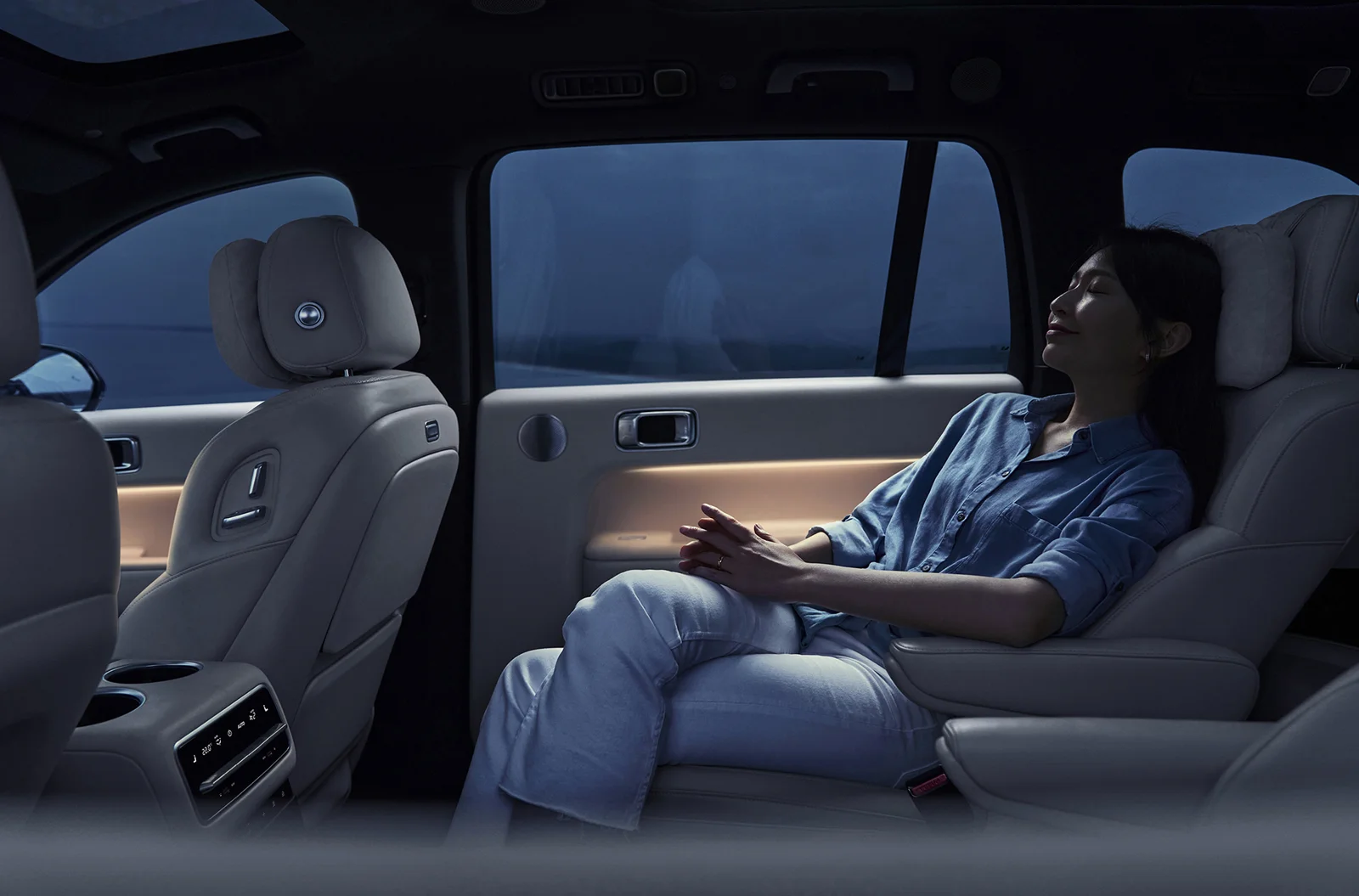
Match the cabin equipment to the version
Request the production period, original configuration and current installed equipment. L9 offers span updates and possible owner changes, so avoid treating one model photograph as a complete specification list. If the supplier uses an approximate English trim name, retain the original designation and supporting record.
The version-identification guide provides that context. This article does not claim every named cabin feature is present in every L9. Ask the supplier to identify what is fitted, what has been modified and which required functions remain unconfirmed before comparing the offer with another candidate.
Test the actual refrigerator requirement
If refrigeration is required, ask the demonstrator to show the installed unit and its ordinary supported operation according to the applicable instructions. Record the conditions and outcome with enough detail to understand what was checked. A lit control or open compartment is not a complete demonstration of the intended function.
Do not invent a universal cooling-time test or promise a temperature without suitable application-specific evidence. If the unit behaves unusually, request qualified assessment. Keep cleanliness and cosmetic presentation separate from functional findings, and establish any required repair scope before describing the equipment as ready for the customer’s use.
Distinguish a working screen from available content
Ask which rear-display functions matter: locally supported playback, compatible connected devices or particular online services. Demonstrate the required task with the vehicle stationary and used appropriately. A display showing a menu proves less than a successful end-to-end demonstration of the function the buyer requested.
The connected-functions guide separates installed hardware from account and regional dependencies. A service operating under the seller’s arrangement in China should not automatically be promised at destination. Ask the responsible provider about availability and retain any limitation rather than attributing it to an equipment fault without evidence.
Check passenger controls and supplied items
Identify the controls and accessories needed for the accepted setup. Ask for ordinary operation of relevant seat, climate or entertainment functions, with the actual installed equipment clear. A demonstration should not depend on a personal controller or adapter that will remain with the seller unless that exclusion is understood.
Record which accessories are included and how they relate to the vehicle. For used cars, request available installation records where modifications are disclosed. A third-party solution may suit a customer, but it should not be represented as factory equipment or guaranteed manufacturer-supported functionality without the appropriate evidence.
Assess the cabin in the intended layout
Keep passenger seating and access requirements visible during the equipment review. The six-seat luggage guide helps evaluate the complete family arrangement. An attractive comfort feature is less useful if the demonstration quietly changes the seating or load configuration the customer needs on ordinary trips.
For a remote purchase, record which positions and functions were tested. Ask the assessor to identify anything inaccessible or untested instead of using a blanket cabin-checked label. The buyer can then decide whether another demonstration or qualified inspection is necessary before assigning value to a particular feature.
Price condition issues independently
If a fault is identified, obtain the responsible provider’s diagnosis and complete work scope. A replacement-screen or refrigerator price alone may omit installation and required verification. Match components to the actual application and clarify whether the proposal concerns a new, used or otherwise described replacement.
Keep unfinished work and uncertain online services separate. Repairing hardware may not resolve a regional access limitation, while an account problem does not automatically justify replacing a functioning component. The dealer’s preparation budget should reflect the established cause and scope rather than a speculative remedy suggested from a brief video.
Put the verified cabin specification in the offer
Tell Panda the destination, accepted years, new or used preference and mandatory cabin functions. Separate nice-to-have features from requirements that determine acceptance. Ask for demonstrations tied to the selected car rather than relying on a general claim that an upper trim includes everything the customer might need.
At handover, retain the function list, relevant accessory inventory and completed repair evidence. Revisit the review if the vehicle or installed equipment changes. The receiving customer should know what was demonstrated and under which conditions, without mistaking a broad luxury-equipment description for confirmed operation of every feature in every market.