
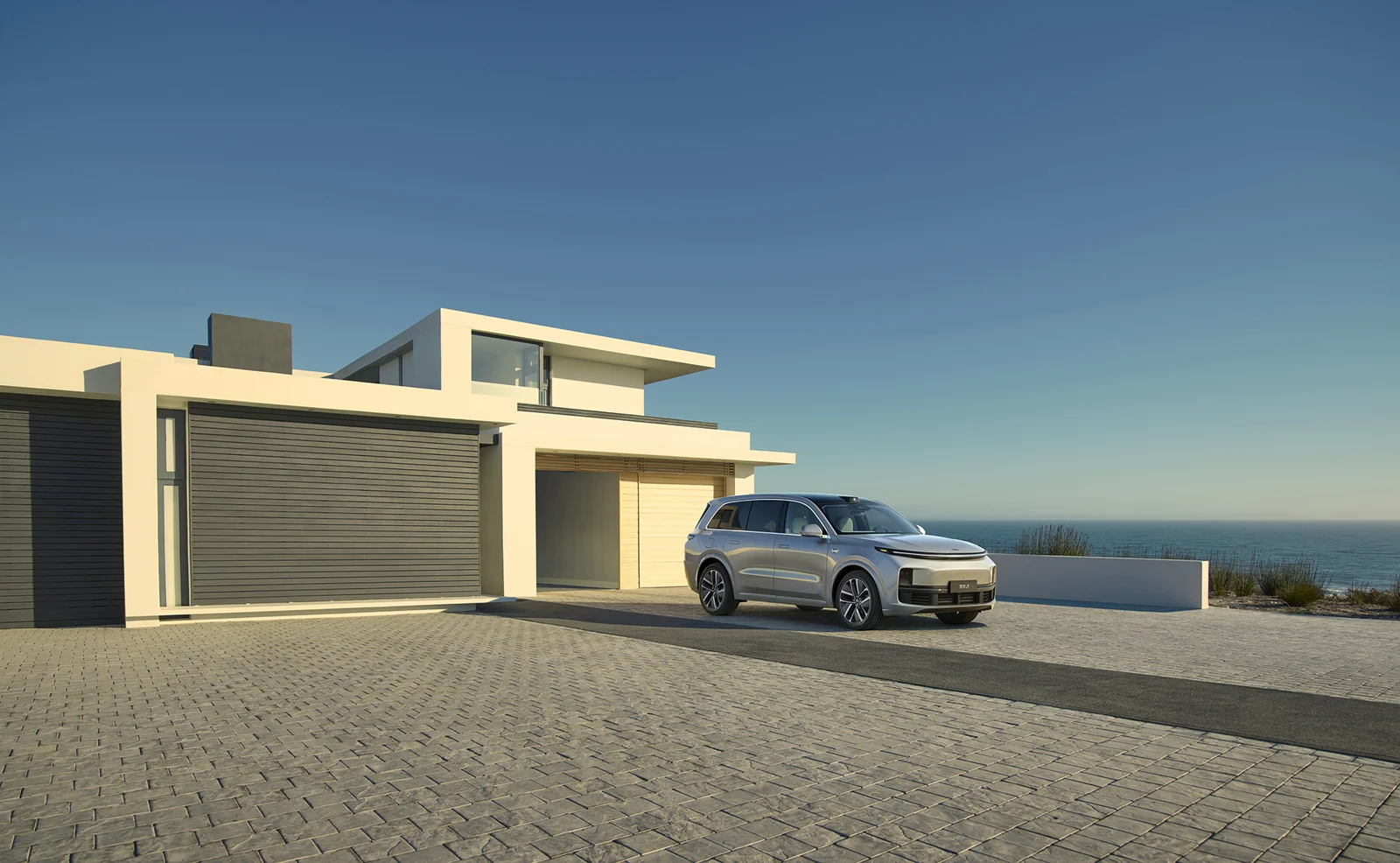
Identify the installed configuration
For the original June 2022 L9, Li Auto described front double-wishbone and rear five-link suspension with air springs and continuously variable damping. Use that dated reference to frame equipment questions for an early example; inspect the fitted system and verify later configurations separately.
Request the original specification and vehicle reference, then confirm relevant equipment through suitable evidence. Do not infer every suspension or chassis feature from the L9 badge. The production-period guide helps separate historical descriptions from the candidate in front of the seller.
If the seller uses a translated technical term, retain the original wording and ask for clarification. A general statement such as premium suspension is not sufficient to define the equipment that the receiving service provider may need to maintain.
Define an appropriate inspection scope
Ask qualified personnel to assess accessible components, warning messages and operation within the agreed scope. Record whether a road observation was possible and under what conditions. Noise, uneven stance or other findings should lead to appropriate evaluation rather than a remote diagnosis based on a photograph.
Do not ask unqualified personnel to work beneath an unsupported vehicle or dismantle specialist equipment. The purchasing question is what evidence can establish condition safely and competently. Record any limitation that prevents the inspector from completing a planned check.
For an air-suspension candidate, the L9 suspension inspection and repair budget gives reported behaviour and workshop scope a focused review.
Read repairs alongside current findings
Request available records for relevant chassis work, including parts replaced and subsequent checks. A repair invoice describes work, while a current inspection describes observations; neither should automatically replace the other. Keep the records tied to the same vehicle.
Used candidates need individual evidence. New candidates still need agreed pre-delivery checks and current condition photographs. The condition guide explains why a commercial status label cannot establish every mechanical or cosmetic detail on its own.
The collision-repair acceptance decision distinguishes finish, relevant systems and completed remedy before a discount influences acceptance.
Plan support before acceptance
Identify the provider who will handle diagnosis and appropriate parts or service questions after delivery. Confirm the scope they accept rather than assuming familiarity with one Li model means complete coverage for every L9 version.
If preparation is agreed, document the work, responsible party and completion evidence. Include unresolved findings and any support arrangement in the quotation review. A feature-rich specification should be considered together with the practical ability to support the actual car.
For a repair-dependent proposal, the L9 spare-parts matching guide links the actual version to the component and completed work scope.
A practical review
A seller describes a used L9 as having upgraded suspension but does not identify the original configuration or the work performed. Request the specification and repair evidence before treating the claim as a benefit. Have an appropriate inspector assess the current condition within scope. If the history remains unclear, retain that uncertainty in the comparison. The buyer can then decide whether further evidence or a different candidate is needed instead of relying on an undefined improvement claim.
Manufacturer context: 2022 L9 introduction, 2024 L-series update, and May 2026 L9 announcement (PDF). The actual offer requires its own specification and condition evidence.